
Sourcing option
Robot manipulation datasets
Specify tasks, end effectors, actions, and observable outcomes for manipulation learning.
Demonstrations · Actions · Embodied learning
What does your system observe, what action should it take, and how do you measure success? Those questions shape the dataset before the first episode is collected.
A direct line to Fiund. Source fit and permissions reviewed for your project.
Specify the outcome your model needs.
Keep file meaning and lineage connected.
Agree on evidence and acceptance criteria.
Speak with Jaeden at Fiund.
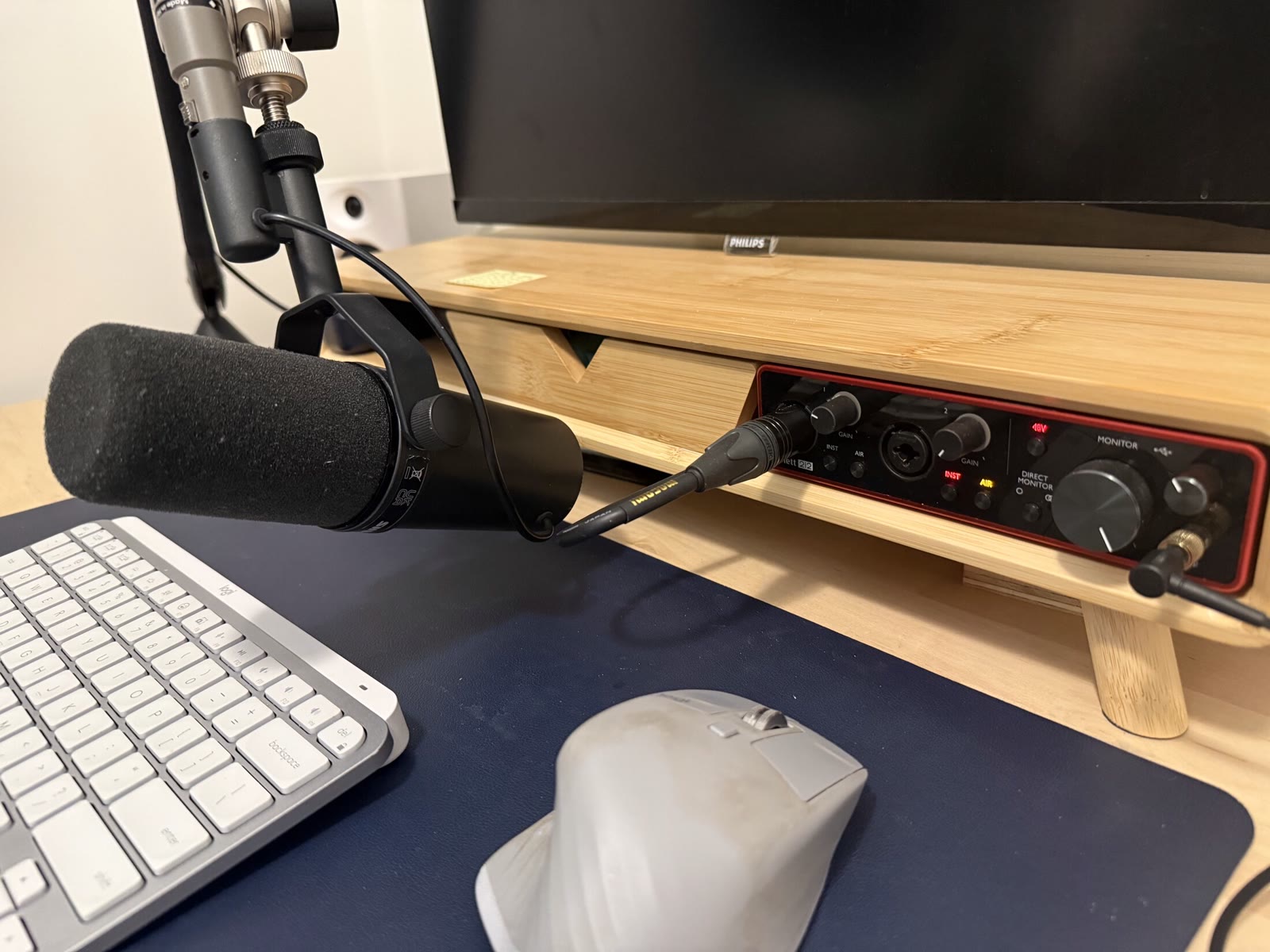
Original photography
Cameras, equipment, and surroundings affect recorded observations. These photographs show our studio workflow; robot embodiments, state signals, and action episodes are specified for the individual collection.
Real source photographs and video frames. Editorial examples; dataset availability and permitted uses are reviewed separately.View sources & full gallery →
Dataset solutions
Sourcing option
Specify tasks, end effectors, actions, and observable outcomes for manipulation learning.
Sourcing option
Align camera observations with interpretable robot actions and state.

Sourcing option
Ground instructions in the actual episode, objects, and completion conditions.
Sourcing option
Compare robot sources through explicit mappings, retained differences, and testable assumptions.
Sourcing option
Design episodes and labels that support interpretable task-level evaluation.
Category context
Visual examples of manipulation, assembly, and everyday activities. Useful briefs identify viewpoint, task boundaries, objects, and the outcomes the model should recognize.
Episodes tied to a particular robot setup. Specify embodiment, sensor streams, state and action definitions, coordinate conventions, and timing requirements.
Tasks designed to test behavior under meaningful variations. Describe starting states, allowed actions, completion criteria, failure conditions, and held-out environments.
Why the details matter
Robotics data can mean human demonstrations, robot trajectories, observations paired with actions, or recordings of interactions with objects and environments. These are related but not interchangeable. Robotic Datasets helps Fiund buyers specify which signals their training or evaluation project actually requires.
Explore quality & provenance →Specification essentials
Technical scope
Robot platform, end effector, controller, camera arrangement, and any compatibility constraints.
Required observations, state variables, action representation, units, coordinate frames, and timestamps.
Task instructions, starts and stops, resets, success labels, and failed or partial attempts.
Object variation, environment changes, operator variation, and intended deployment differences.
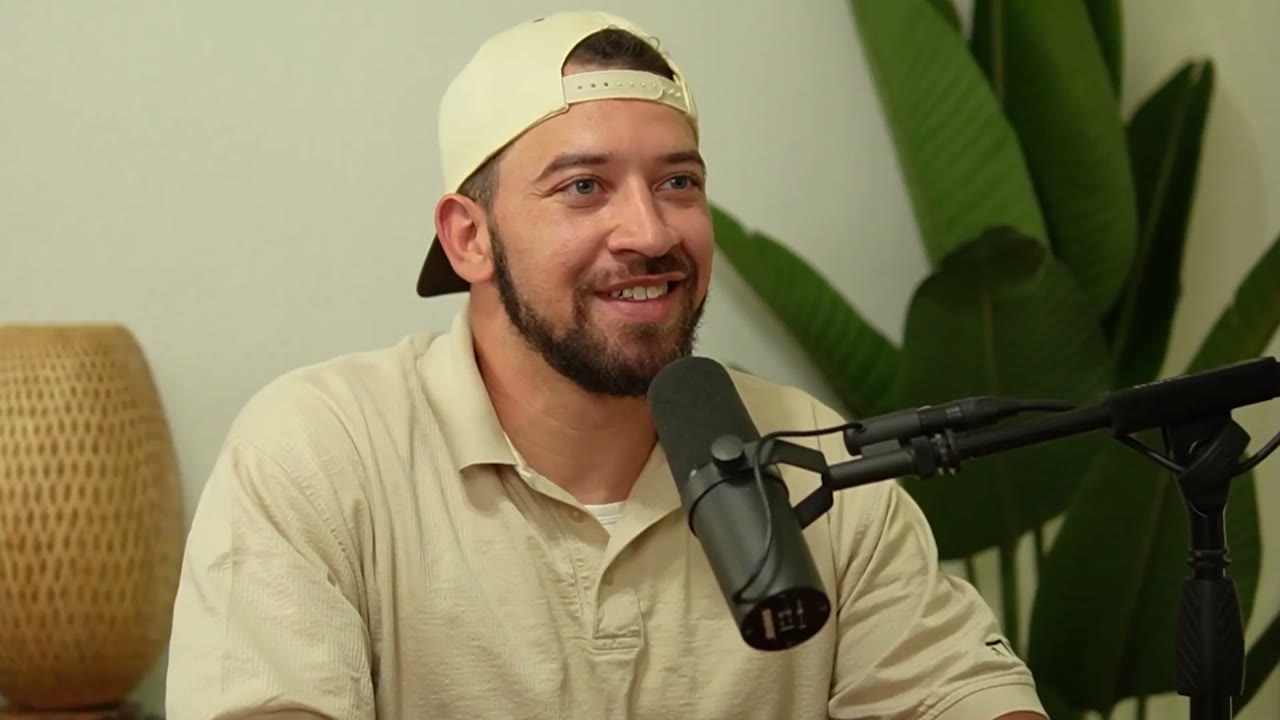
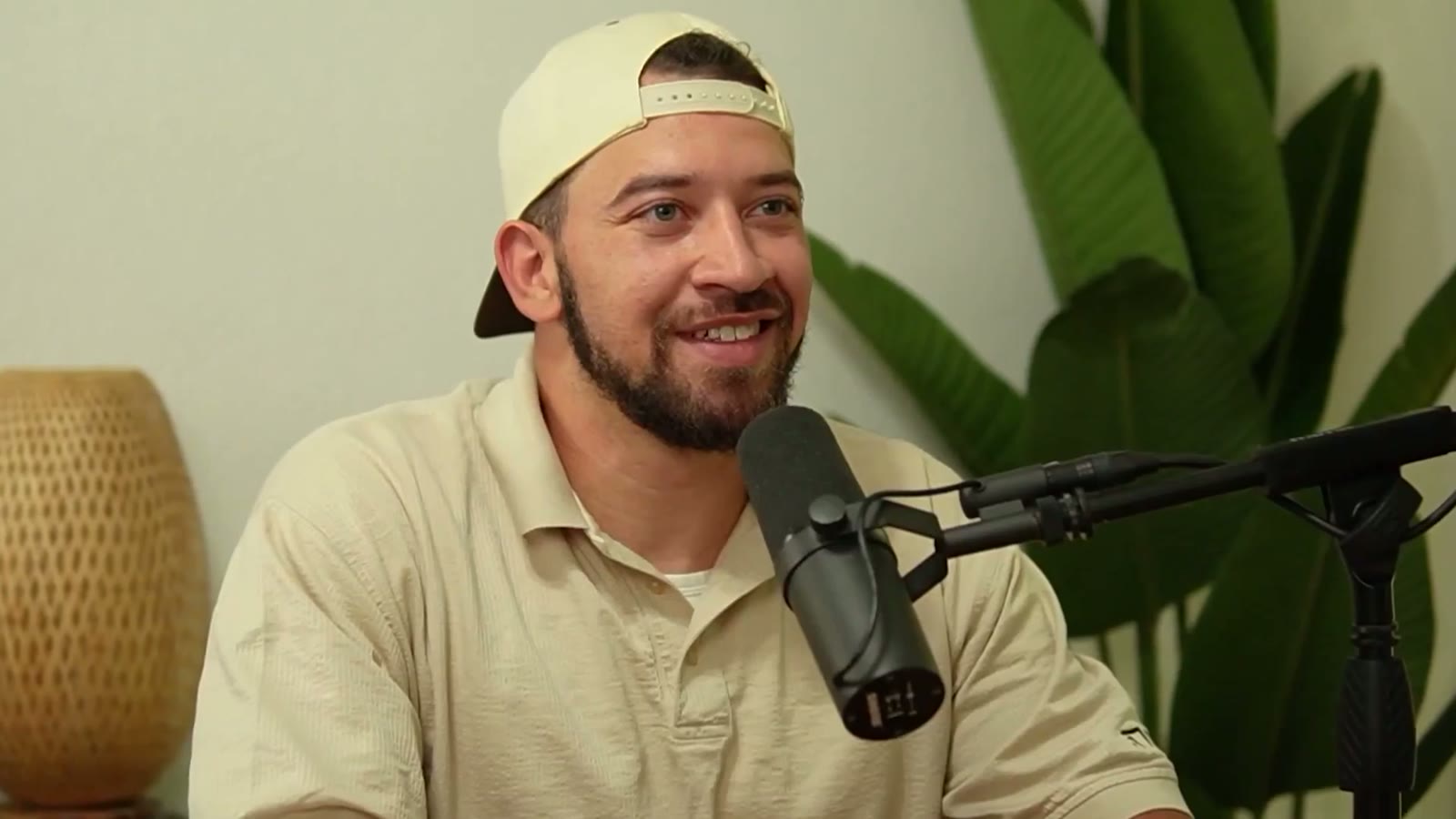
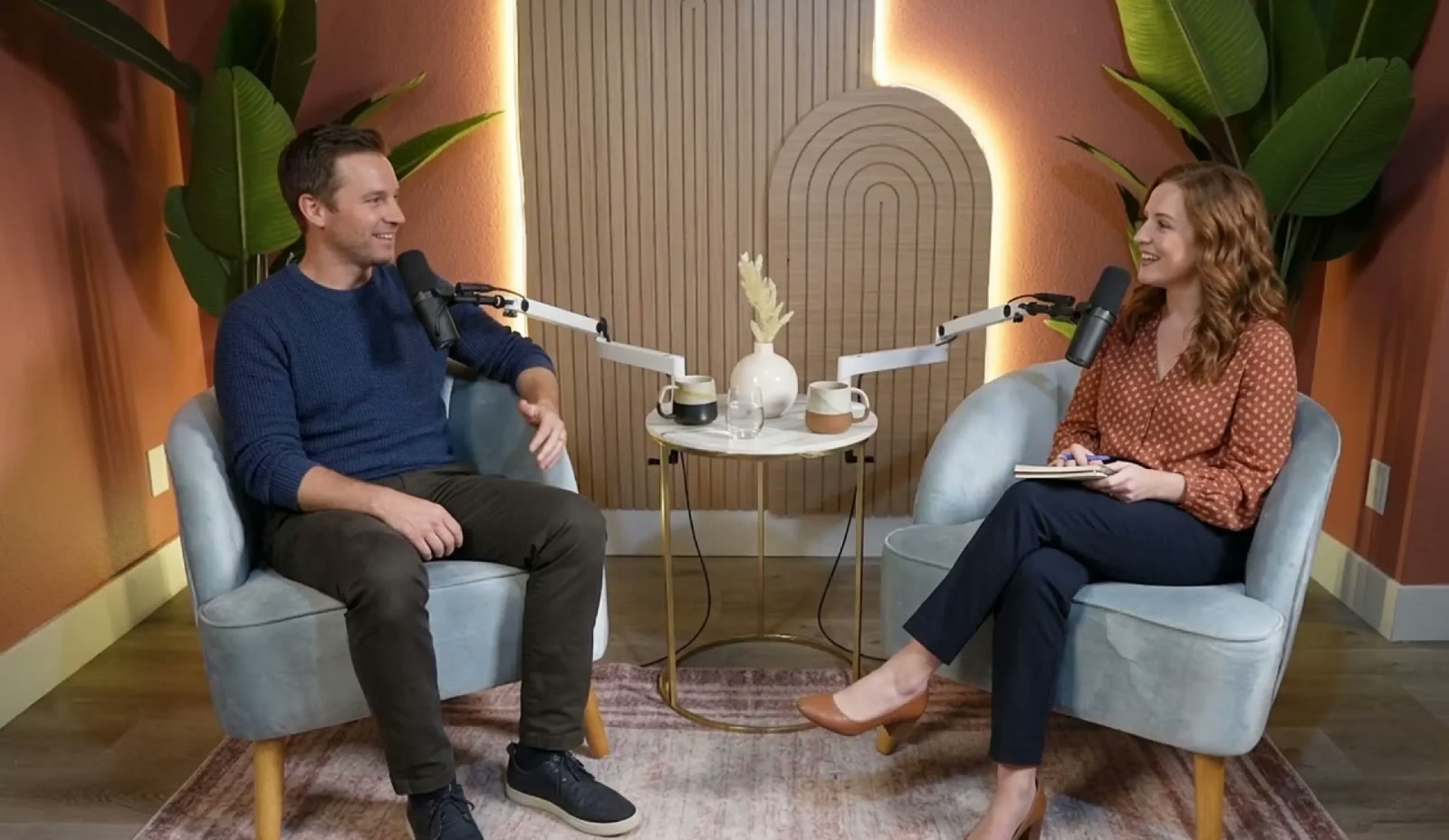
Real recordings
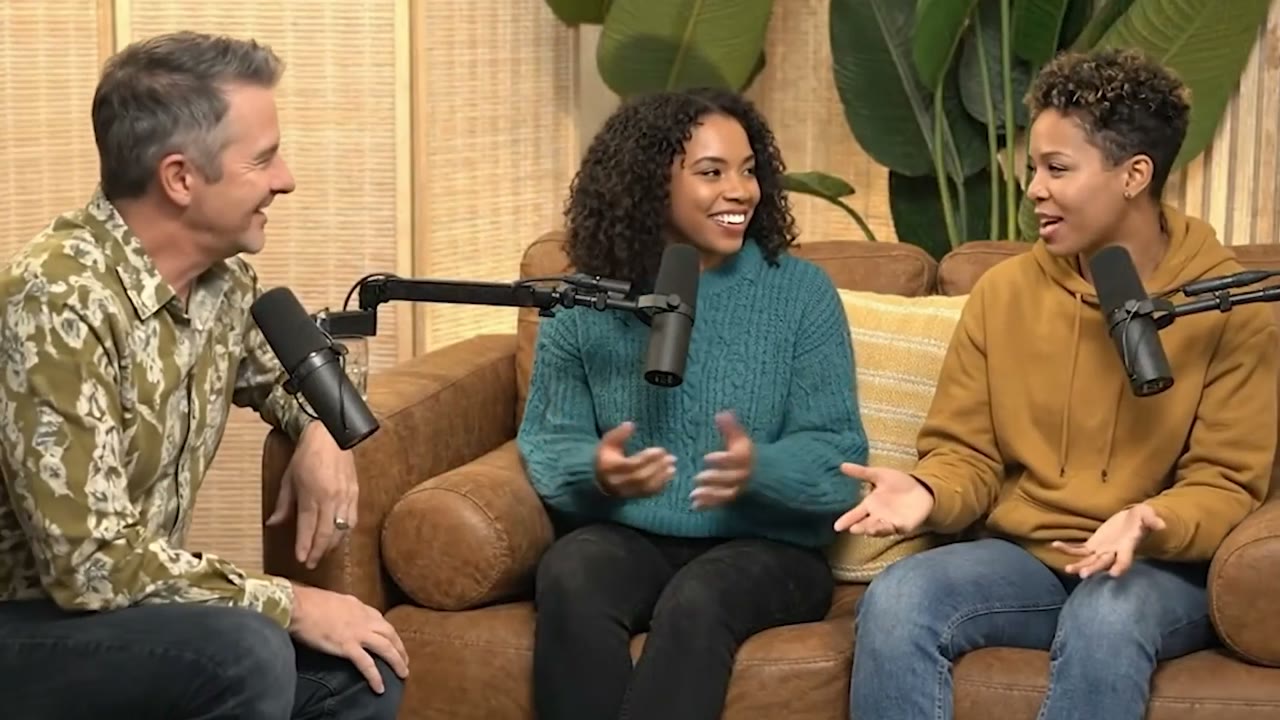
These clips come from our studio production work. They show people and capture conditions, rather than robot control signals or completed robot demonstration collections.
Recorded conversations at Podcast Studio AZ · 14 seconds · silent editorial clip.
Jaeden’s original Riverside recording · 15 seconds · silent editorial clip.
Jaeden’s original Riverside recording · 15 seconds · silent editorial clip.
How sourcing works
Robotics data can mean human demonstrations, robot trajectories, observations paired with actions, or recordings of interactions with objects and environments. These are related but not interchangeable. Robotic Datasets helps Fiund buyers specify which signals their training or evaluation project actually requires.
Task and target embodiment; Required observation and action signals; Episode counts and success criteria; Sensor timing and annotation requirements; Source permissions and intended use. These details establish the project’s review criteria and reveal where further clarification is needed.
Discuss which existing sources or collection approaches could address the brief. Identify access constraints, source documentation, and unanswered permission questions before treating a category as usable inventory.
Where appropriate material can be shared, agree on handling and inspect it against the specification. Record defects, coverage gaps, and annotation questions against exact source identifiers.
Confirm the selected material, intended uses, preparation work, acceptance criteria, commercial terms, and delivery arrangements in a project-specific agreement.
Check file references, manifests, documented processing, and accepted exceptions. Keep permission review and technical acceptance explicit, and resolve open issues before the collection is treated as approved for the intended use.
Field notes
Resource guide
Compare hardware, sensors, and control assumptions before counting trajectories.

Resource guide
Ask for semantics, units, frames, and execution context for every action field.

Resource guide
Clarify which robot representation your project can interpret and use.
Resource guide
Make spatial values interpretable across robot, tool, camera, and workspace references.
Resource guide
Prevent silent interpretation errors in actions, state, and sensor records.

Resource guide
Check which observation a robot command is paired with and how that pairing was created.
Common questions
No. Video does not inherently contain robot state, joint values, end-effector commands, or control actions. If you require those signals, name them explicitly so sourcing can be evaluated against the right specification.
Yes. Include the platform, controller, sensors, action representation, and example schema. Availability and collection feasibility must be discussed before any platform-specific data is promised.
That depends on your task. State whether you need successful demonstrations only, recoveries, negative examples, or a labeled mixture, and define how an outcome is judged.
Your project, in focus
Speak directly with Jaeden Schafer at Fiund about the source material, specifications, and review your project needs.
jaeden@fiund.comSource fit, permissions, samples, pricing, and delivery are reviewed for the individual project.
Start with these details